Spinal Stenosis Treatment in Blue Bell
Find Relief from Spinal Stenosis Without Surgery
If walking, standing, or even shopping has become difficult because of back or leg pain, spinal stenosis may be the cause. Many people assume these symptoms are simply part of getting older, but they often result from changes in the spine that may be managed with conservative care. If you’re searching for an experienced Blue Bell chiropractor, our team can help you explore non-surgical options before considering more invasive procedures.
Identifying Common Causes of Your Discomfort
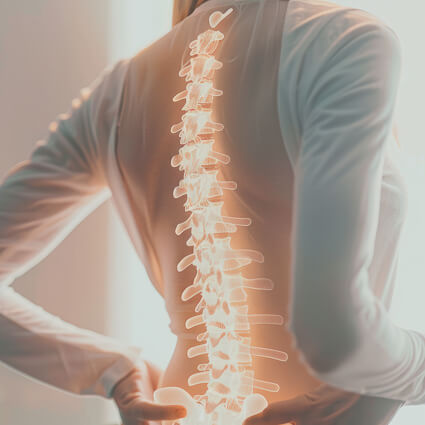
Stenosis occurs when the spaces within the spine become narrower, placing pressure on the spinal cord or nearby nerves. It most commonly affects the lower back (lumbar spine) and neck (cervical spine). The condition usually develops gradually as we age and can also stem from arthritis and bone spurs, degenerative disc disease, herniated or bulging discs, previous spinal injuries, or thickened ligaments. Because these symptoms may present with other conditions like sciatica and herniated discs, a thorough evaluation is the best way to pinpoint the actual source of your pain.
How This Condition May Feel Day to Day
Patients often describe a consistent pattern of symptoms:
How Chiropractic Care Helps Spinal Stenosis
While spinal stenosis cannot always be reversed, chiropractic care may help improve spinal mobility, reduce nerve irritation, and make everyday activities more comfortable. Depending on your condition, your plan may include gentle chiropractic adjustments, therapeutic traction, electrical muscle stimulation, stretching and strengthening exercises, and posture or lifestyle recommendations. Rather than simply masking symptoms, our goal is to improve how your spine functions, reduce unnecessary stress on affected tissues, and help you stay active and independent.
Spinal Decompression for Stenosis Relief
For appropriate candidates, spinal decompression is one of the therapies we recommend most often for spinal stenosis. This gentle, computerized treatment uses controlled stretching to help reduce pressure on spinal discs and nerves, which for many patients means less discomfort, better mobility, and an easier path toward healing without surgery. Your chiropractor will determine whether it’s a good fit based on your evaluation and overall spinal health.
A Team Approach to Spinal Health
Spinal stenosis often requires multiple perspectives, which is why Dr. Mike Donohoe, Dr. Mark Legnola, and Dr. Kristin Legnola work together at Community Chiropractic Center to develop treatment plans tailored to each patient’s condition, lifestyle, and goals. Dr. Donohoe and Dr. Mark Legnola bring decades of hands-on clinical experience, while Dr. Kristin Legnola, chairperson of the Montgomery County Chamber of Commerce’s Health and Wellness Committee, adds a community health lens focused on keeping patients active and independent over the long term. Rather than handing patients a generic protocol, the team focuses on helping you understand what’s happening in your spine while providing evidence-informed chiropractic care aimed at lasting results.
Frequently Asked Questions
Can chiropractic care help relieve my symptoms?
Is spinal decompression therapy helpful for spinal stenosis?
When should I seek treatment for my condition?
Explore Conservative Care Before Surgery
You don’t have to accept back or leg pain as an inevitable part of getting older. Our Blue Bell team can evaluate your spine and walk you through non-surgical options that may help you move more freely.
